MDOP-Labs
Molecular Dynamics and Oncology Progression Laboratory integrates structural bioinformatics, molecular simulation, multi-omics analysis, artificial intelligence, and territorial innovation to study how molecular mechanisms become clinically and socially relevant patterns of cancer progression.
About the Laboratory
Based in the Department of Pharmacology, Faculty of Biological Sciences, Universidad de Concepción, MDOP-Labs develops computational and experimental strategies to connect molecular structure, cellular adaptation, tumor heterogeneity, and precision oncology. The laboratory's work spans membrane transporters, kinase receptors, macrophage and tumor-microenvironment biology, hereditary and environmental cancer risk, digital pathology, and data-driven therapeutic discovery. Through funded research projects, supervised undergraduate and postgraduate theses, conference presentations, and open computational tools, the group trains new scientists while building reproducible workflows for cancer and rare-disease research in Chile and international collaborative networks.
Located in Edificio del Arco, second floor, Department of Pharmacology, Universidad de Concepción, Chile.
Research Lines Under Development
The current portfolio suggests several complementary research lines that can be expanded or prioritized as the laboratory grows:
- Structural bioinformatics and molecular dynamics of disease mechanisms: modeling transporters, kinase receptors, protein complexes, mutations, ligand binding, and free-energy landscapes to explain molecular mechanisms in cancer, rare diseases, and metabolic disorders.
- Computational oncology and tumor progression: integrating genomics, transcriptomics, metabolomics, spatialomics, digital pathology, and clonal-evolution analyses to characterize gastric, breast, prostate, melanoma, ovarian, colon, and hematological cancers.
- Tumor microenvironment, aging, and cellular communication: studying macrophage functional states, metabolic exchange, extracellular vesicles, lipid reprogramming, bacterial-human cell communication, and environmental exposure signatures that shape cancer progression.
- AI-assisted therapeutic and biomarker discovery: using docking, molecular dynamics, pharmacophore modeling, foundation models, machine learning, and systems pharmacology to prioritize inhibitors, peptides, biomarkers, and multi-target therapeutic hypotheses.
- Population-aware precision oncology and environmental health: developing reproducible workflows for hereditary cancer, local genomic interpretation, rural/agricultural cancer determinants, pesticide or hydrocarbon exposure signatures, and underrepresented Latin American cohorts.
- Open science, territorial CTCI networks, and research training: building mission-oriented consortia, shared computational infrastructure, scientific communication, and open educational resources that connect laboratory discoveries with regional development.

You'll find more information, courses and scripts by visiting our Github page!
Supervised Theses
Explore undergraduate and postgraduate theses directed in the laboratory: Theses Directed
Why the name Nanocell?
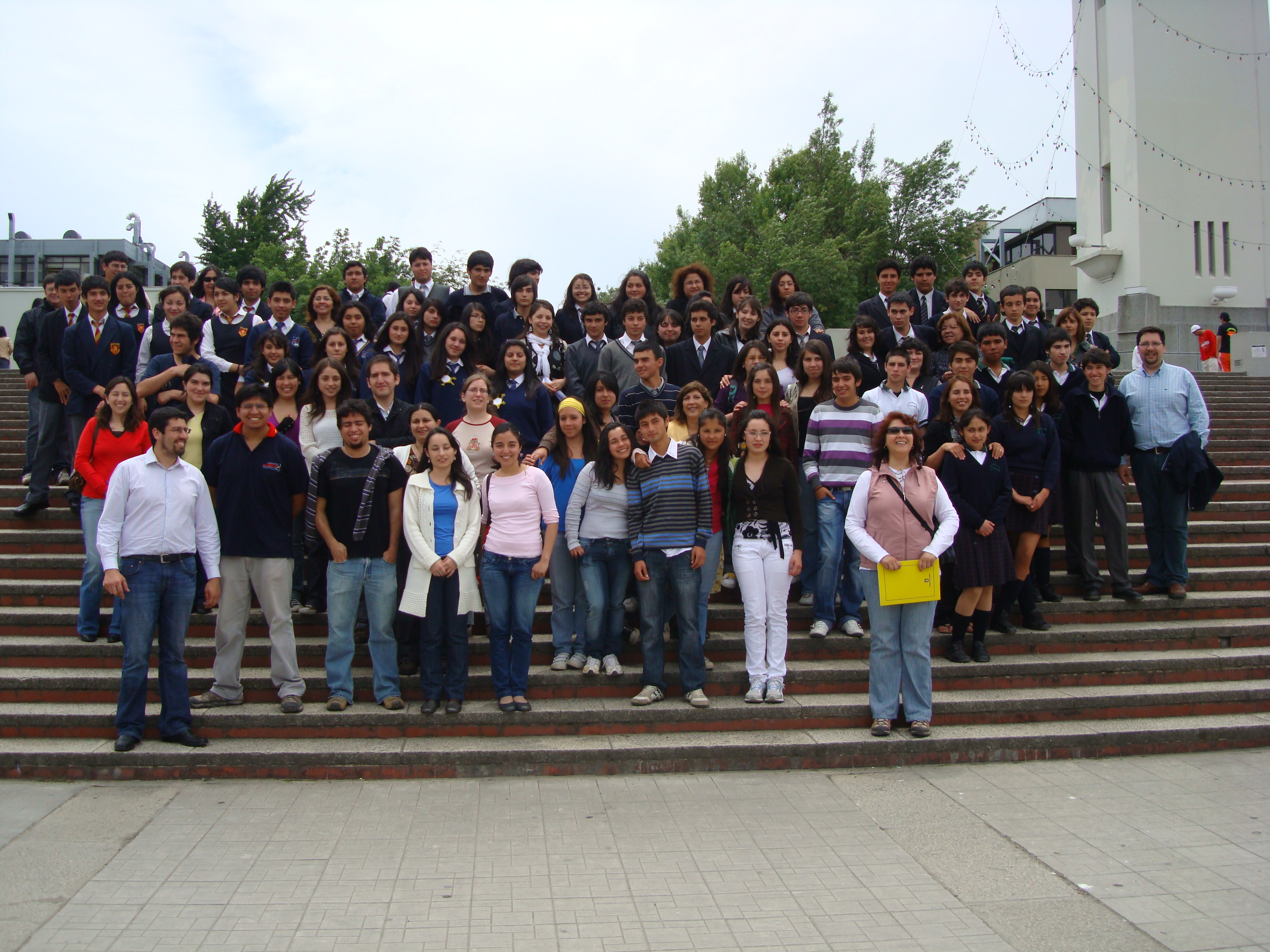
The first project awarded by Dr. Alexis Salas in 2009 was an Explora outreach project called "Nanocell: A trip inside the cell in 80 ms". The project introduced students and communities to the molecular biology involved in high-prevalence diseases in Chile, and its name remains a reminder of the laboratory's commitment to connect molecular-scale science with education, communication, and public impact.